
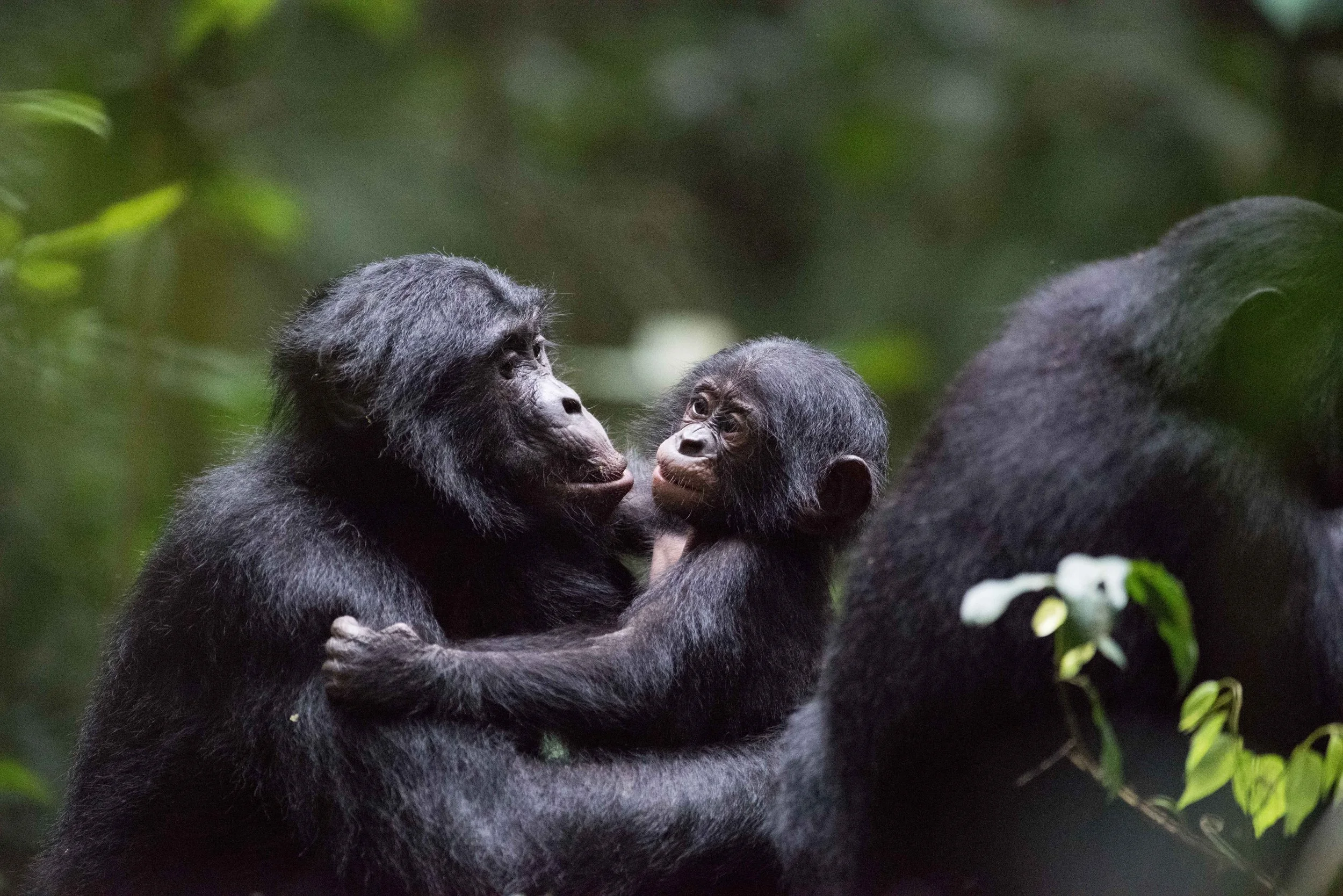
The Kokolopori Bonobo Research Project
Meet the endangered bonobos, our closest living relatives.
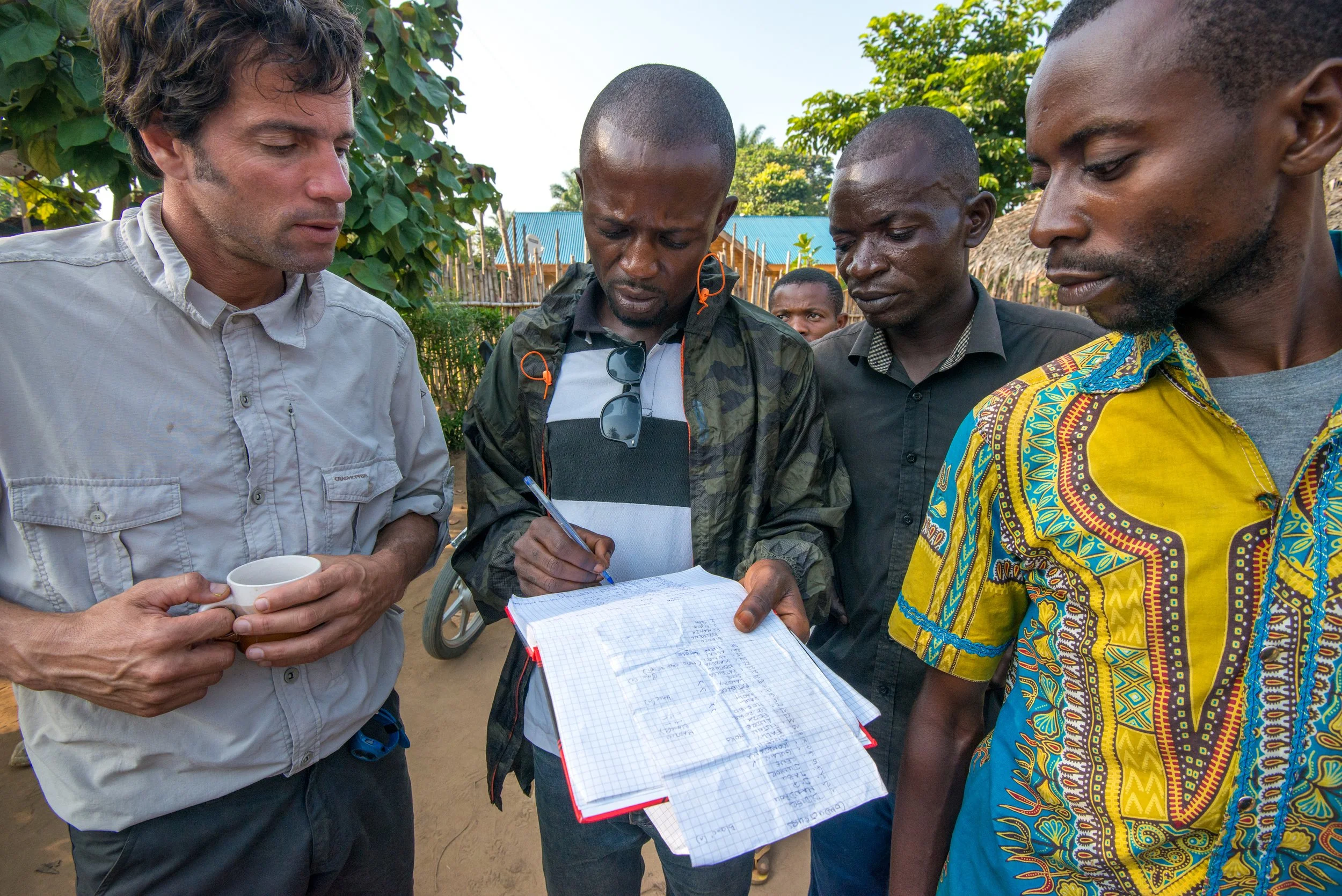
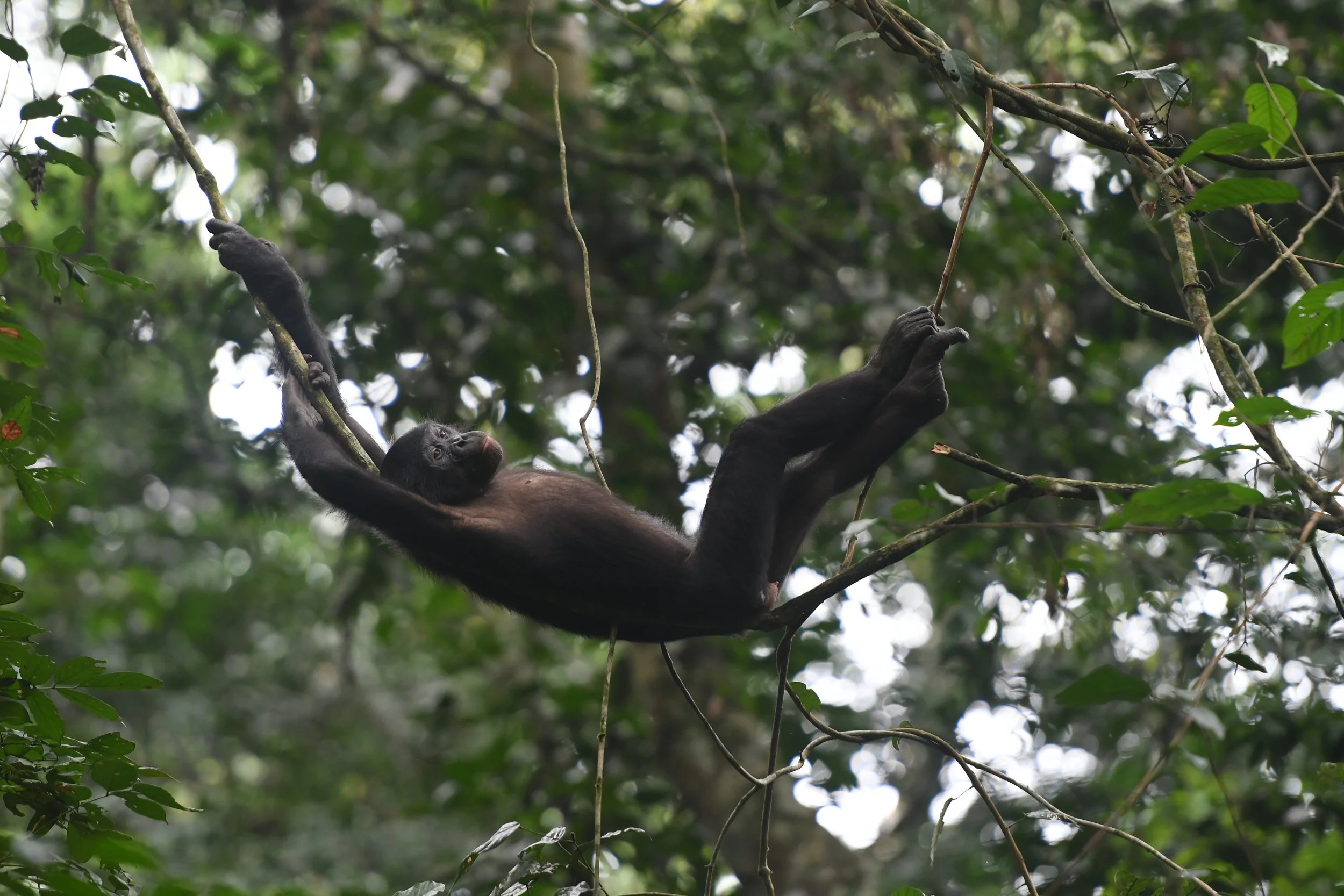
The Kokolopori Bonobo Research Project (KBRP) field site facilitates this vital research of the bonobos, a species of great ape that shares nearly 99 percent of our DNA and is native only to the central African Rainforest in the Democratic Republic of the Congo. The bonobos are often overshadowed by their more well-known chimpanzee cousins and are the least known, least studied, and least financed of the great apes.
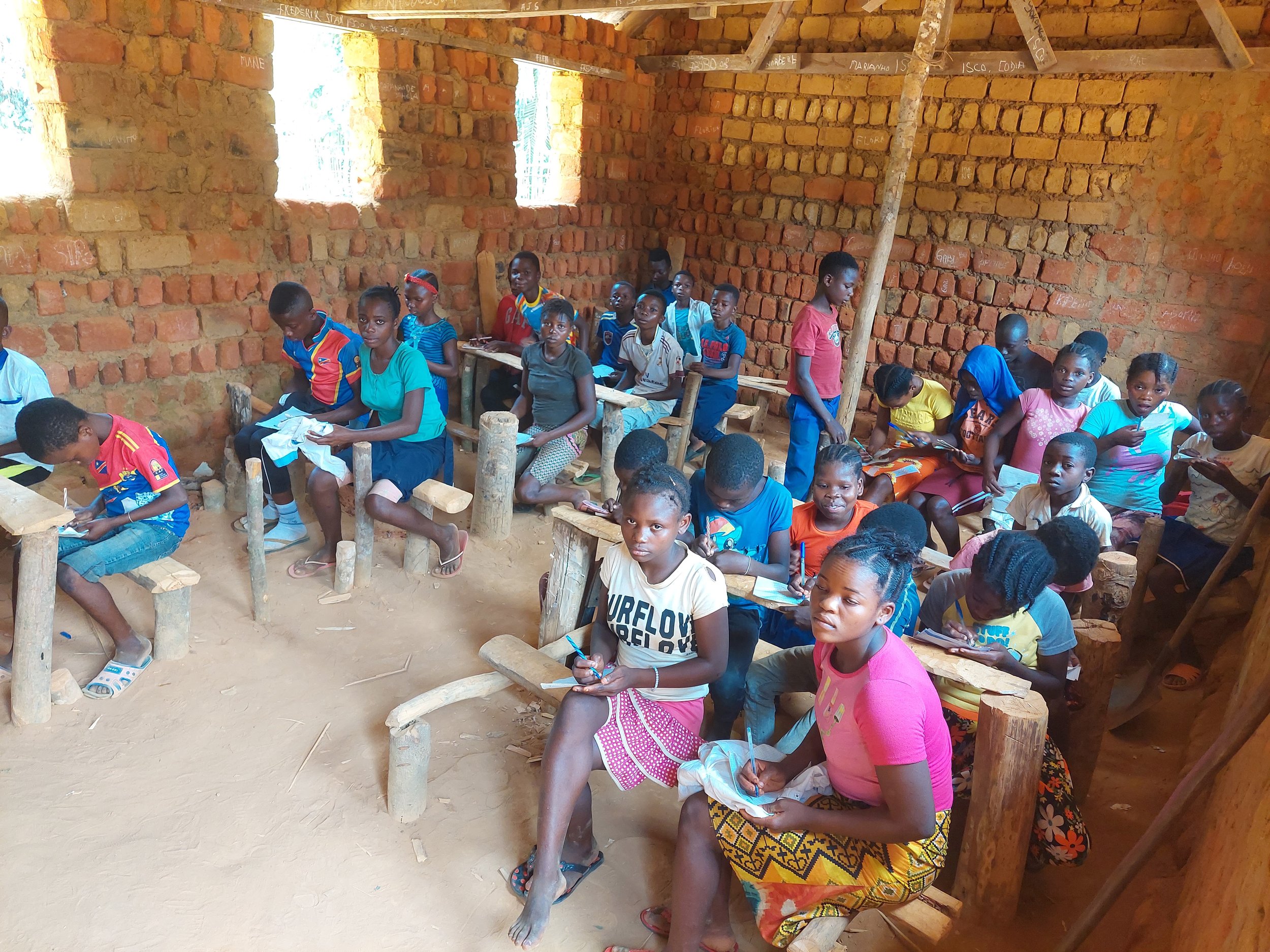
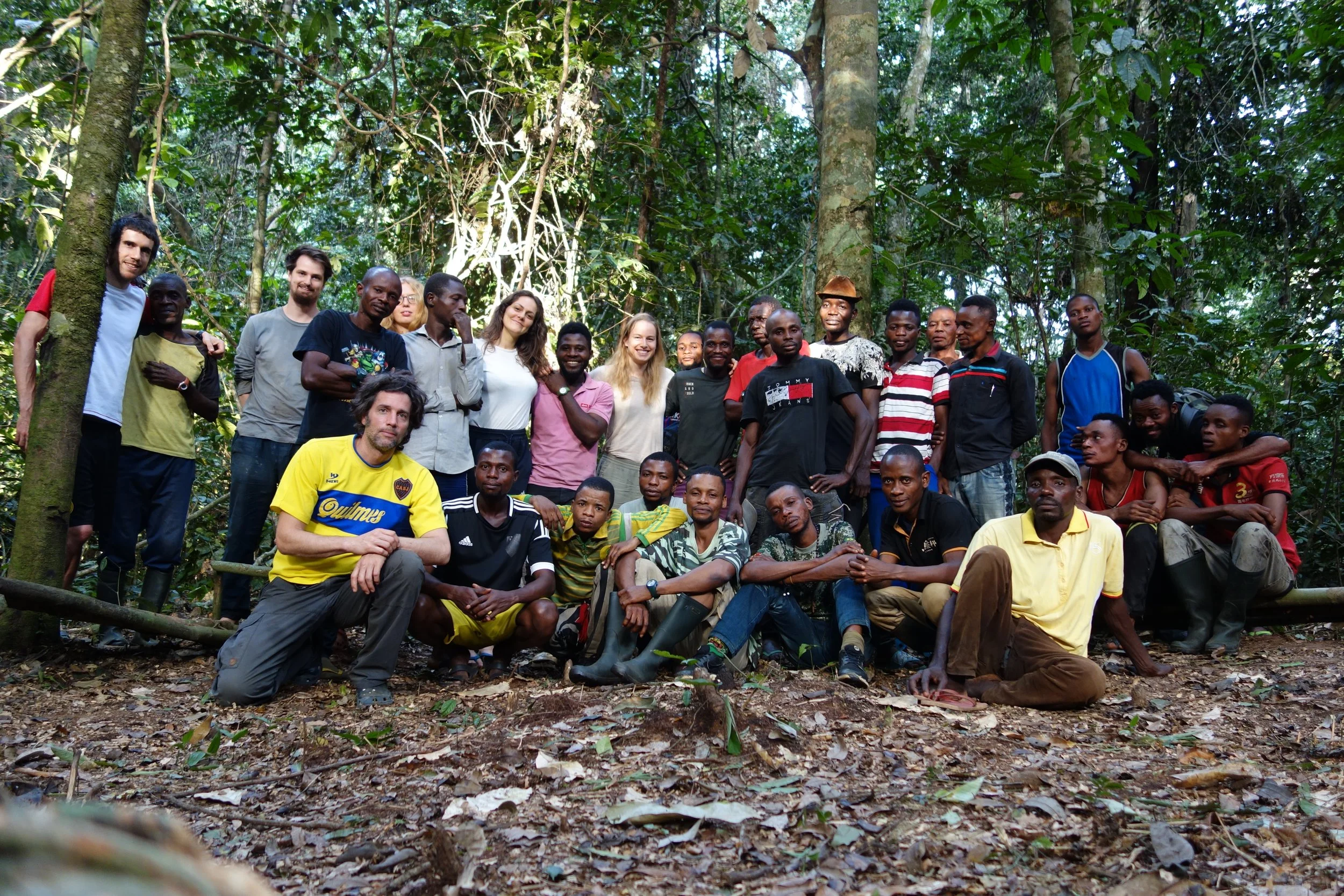
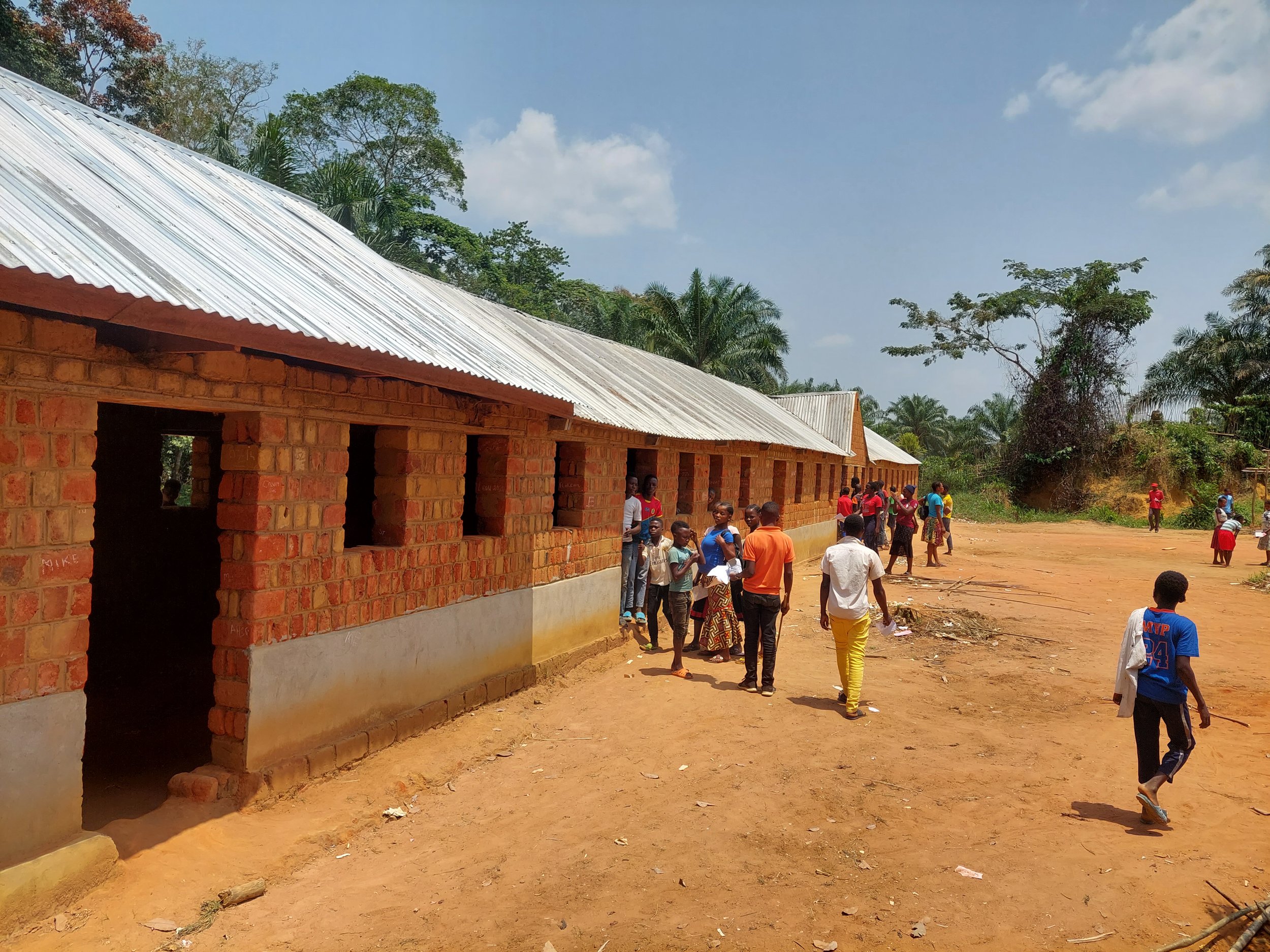
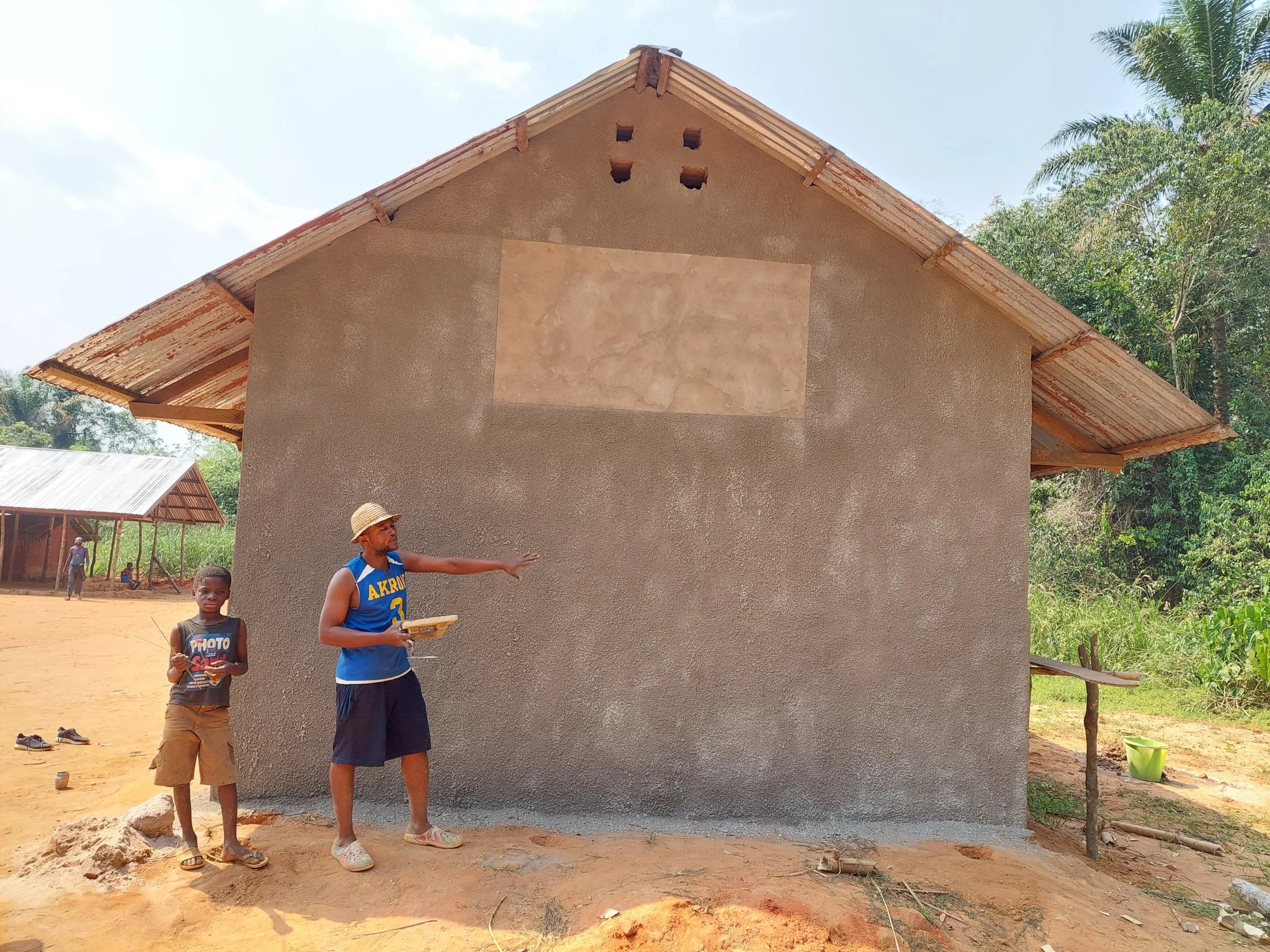
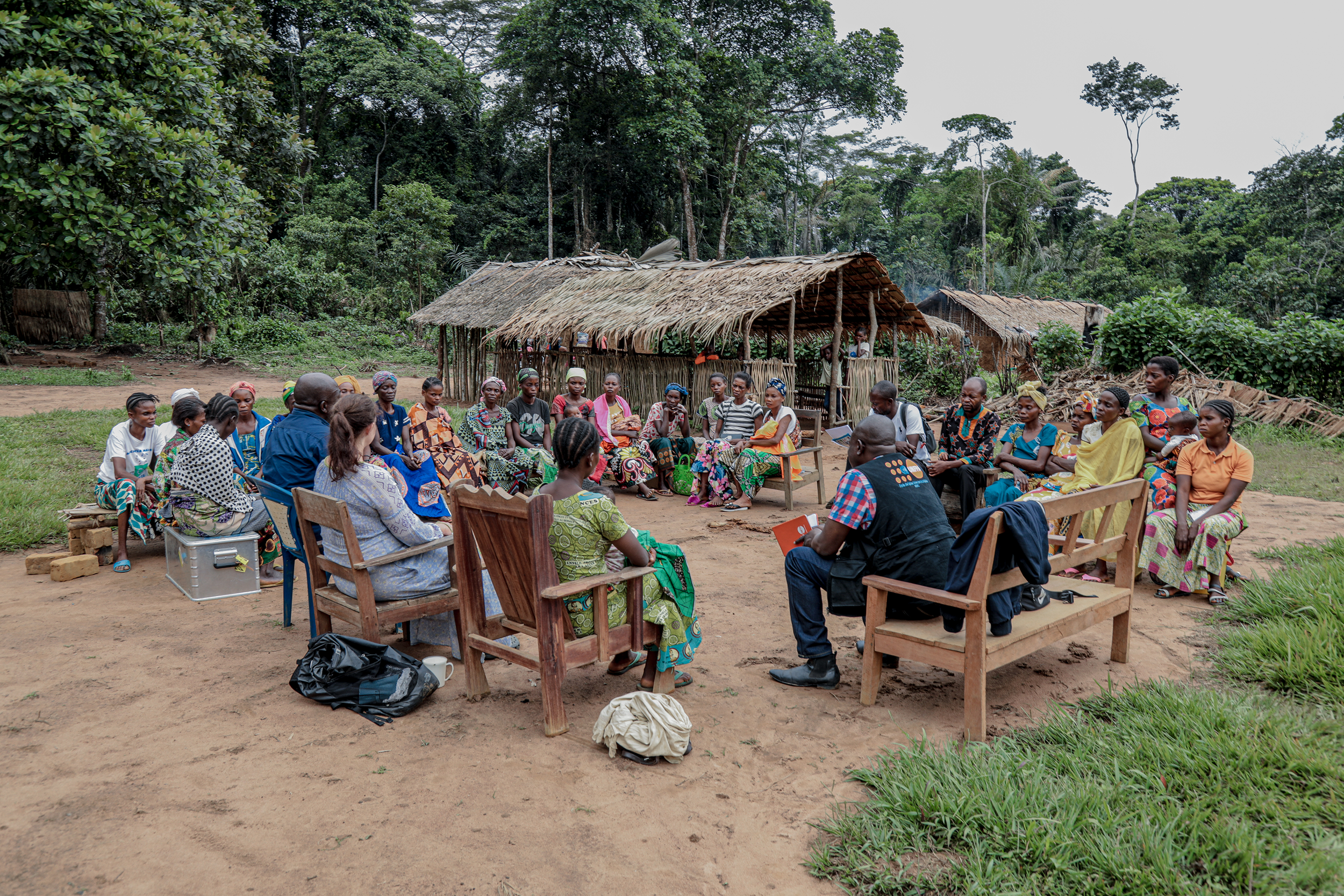
The Kokolopori Bonobo Research Project also supports the local community by creating income generation for a substantial part of the local population. Working closely with the five local villages, the project incentivizes entrepreneurship, is building with the communities’ five schools, has provisioned an internal health clinic, and is also training a local midwife. Additional jobs include skilled trackers, farmers, transport, teachers, and more.
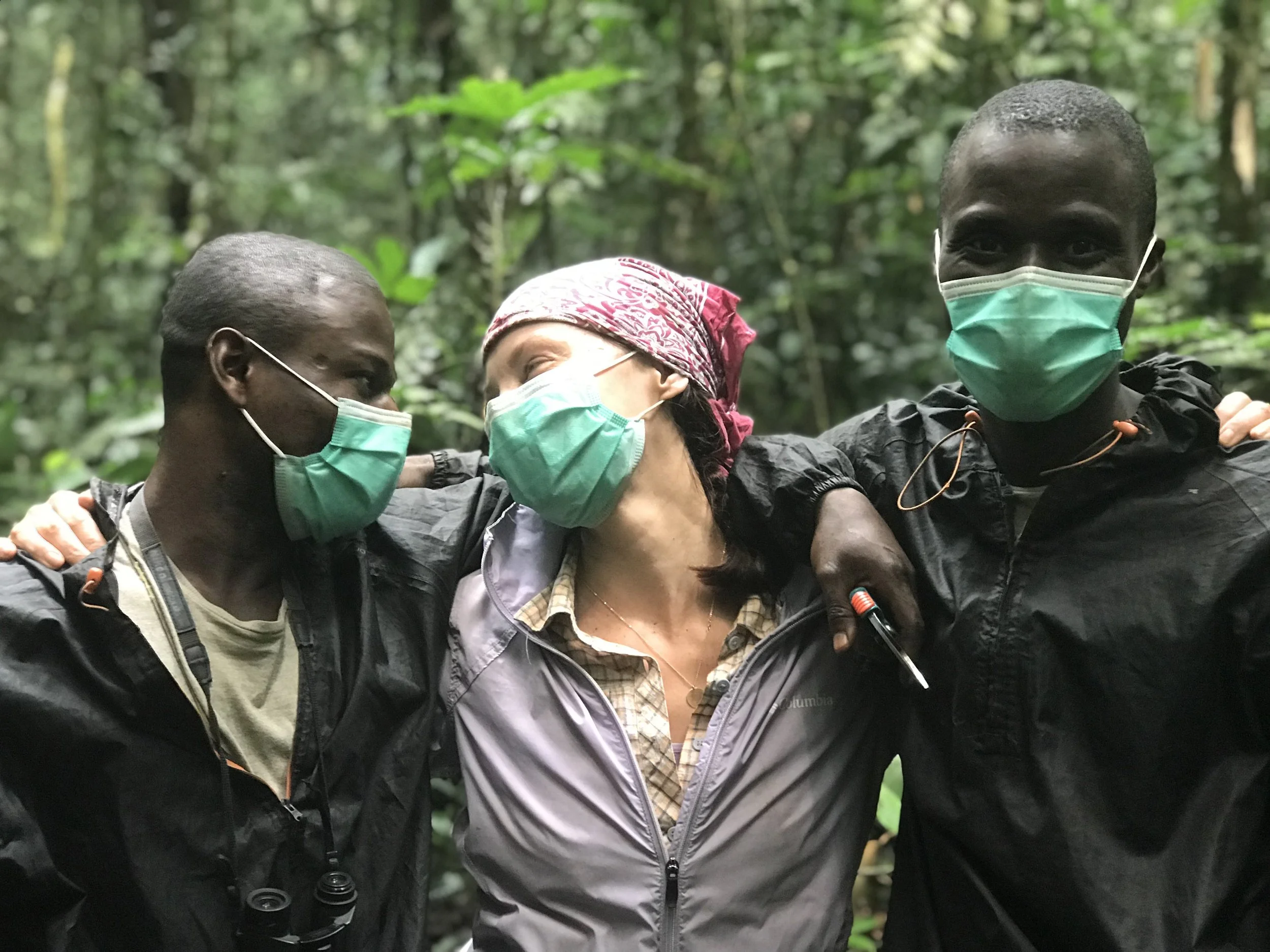
The research is led by Dr. Martin Surbeck, a world-leading scientist from Harvard University who has studied bonobos in the wild for over 20 years. Actor and humanitarian Ashley Judd leads the project’s community work.
Dr. Surbeck and his team seek to establish a bonobo model for human evolution and to continue to provide Kokolopori as a research field site for national and international scientists.
Who We Are
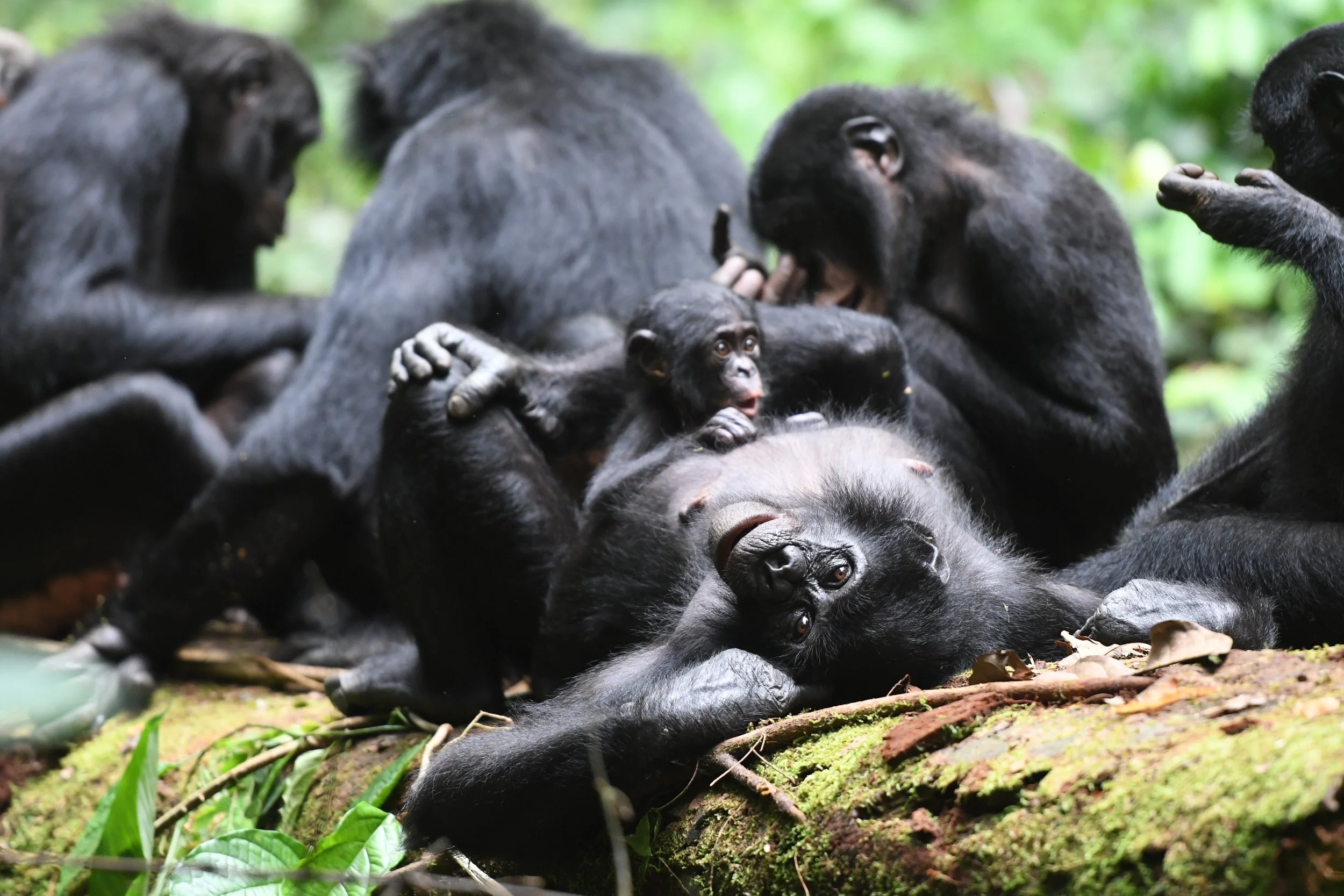
Bonobos, a singular species of hope.
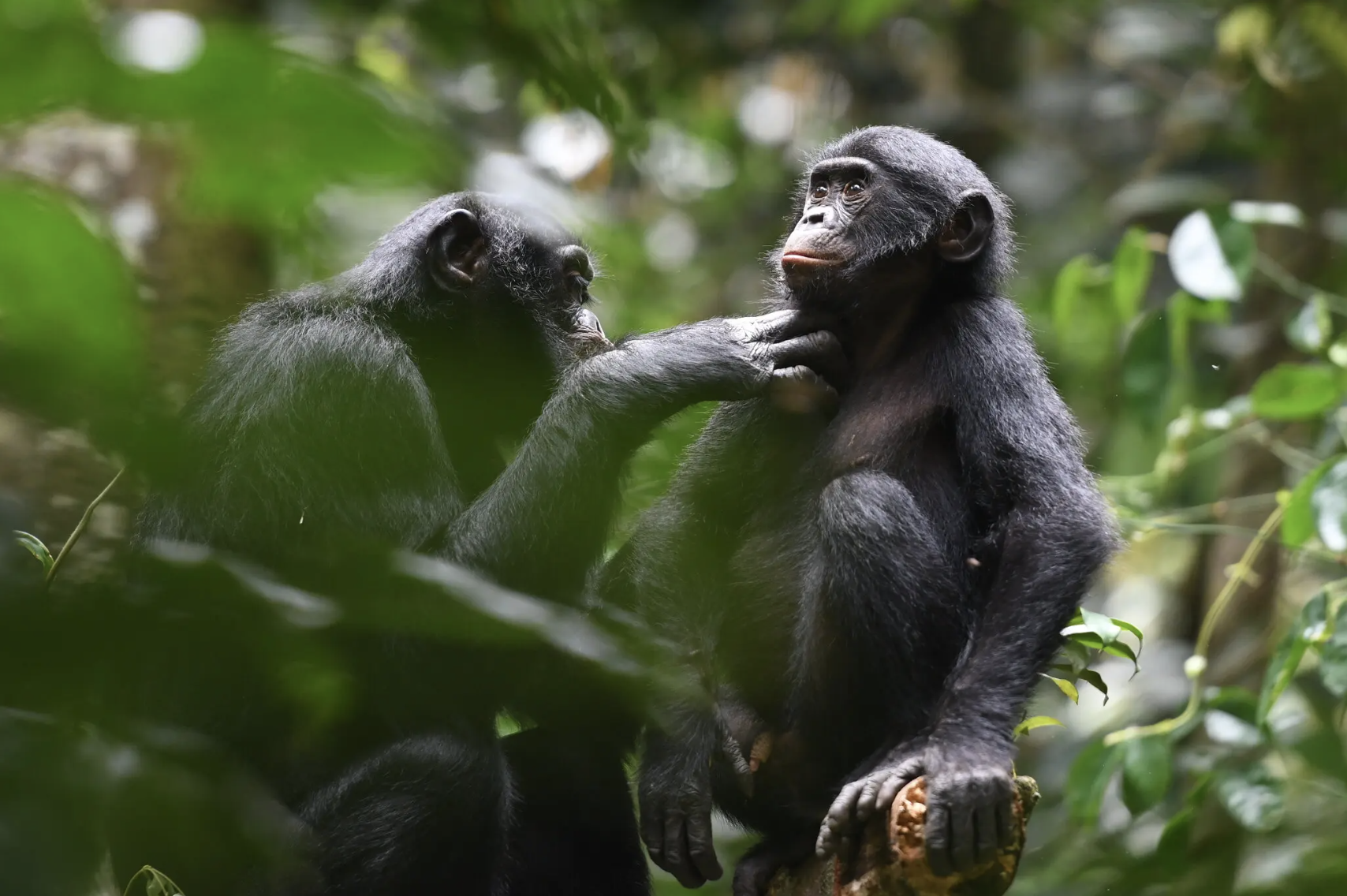
The bonobo is a species of great ape that shares nearly 99 percent of our DNA.
Native only to the deepest heart of the central African Rainforest in the Democratic Republic of the Congo, they are often overshadowed by their more well-known chimpanzee cousins and are the least known, least studied, and least financed of the great apes.
Bonobos provides us with the insight that male sexual violence and male dominance are not evolutionarily inevitable.
The females occupy high social status, and older females usually lead the groups. The species is known for the habitual use of sexual behavior to alleviate tension between members and for the absence of male sexual violence, homicide, and infanticide.
Where We Work
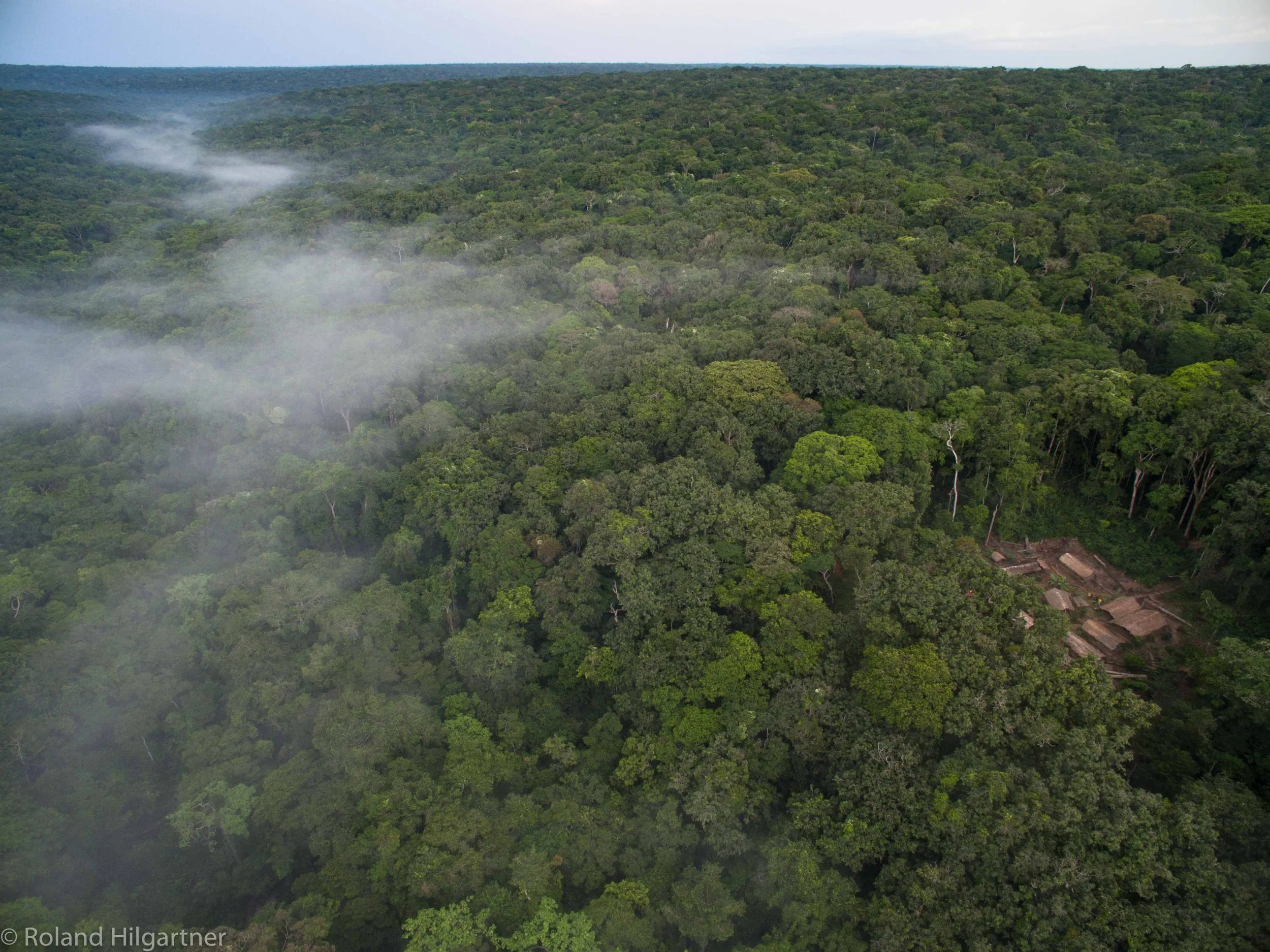
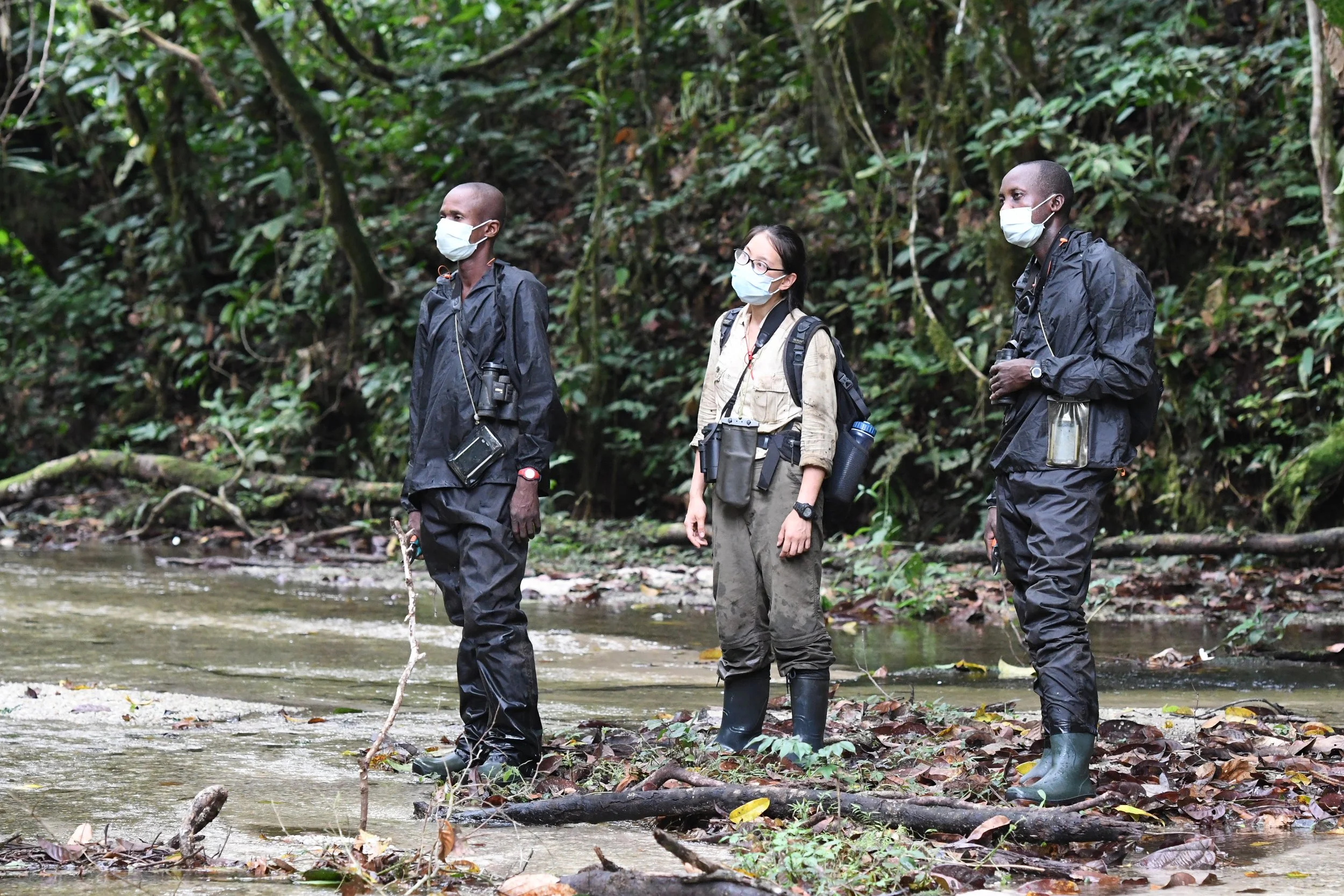
The research camp is situated approximately 4 km from the nearest village in the Kokolopori Bonobo Reserve, a community-based nature reserve in a very remote part of the Central African Rainforest. This reserve was officially established by the Congolese government in 2009.

Join Us in Supporting This Vital Research
Your support of the Kokolopori Bonobos Research Project allows us to continue to study our closest living relatives, to understand the science and support the local communities.
The Kokolopori Bonobo Research Project is supported by Harvard University and the Max Plack Society.