About Us
Overview
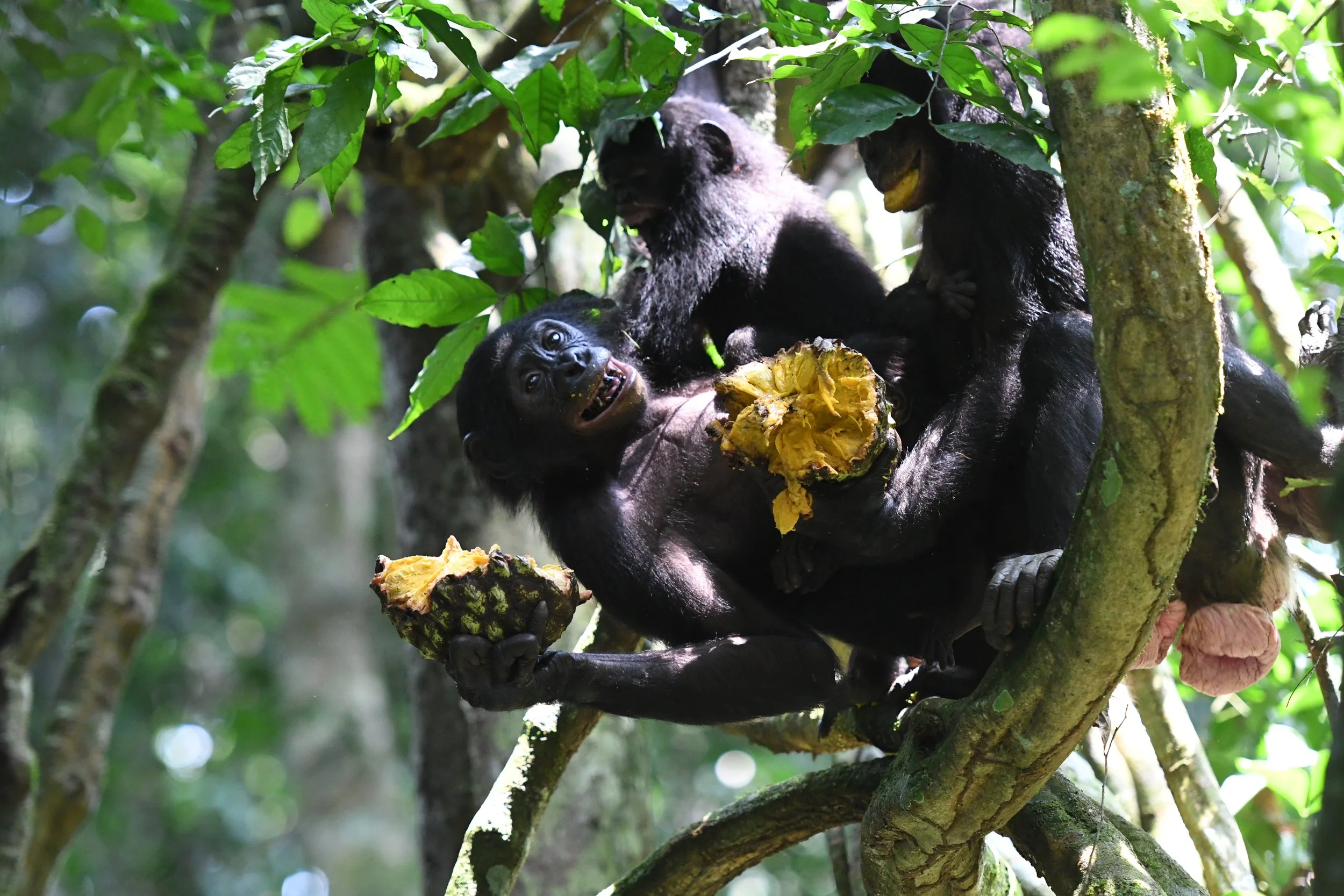
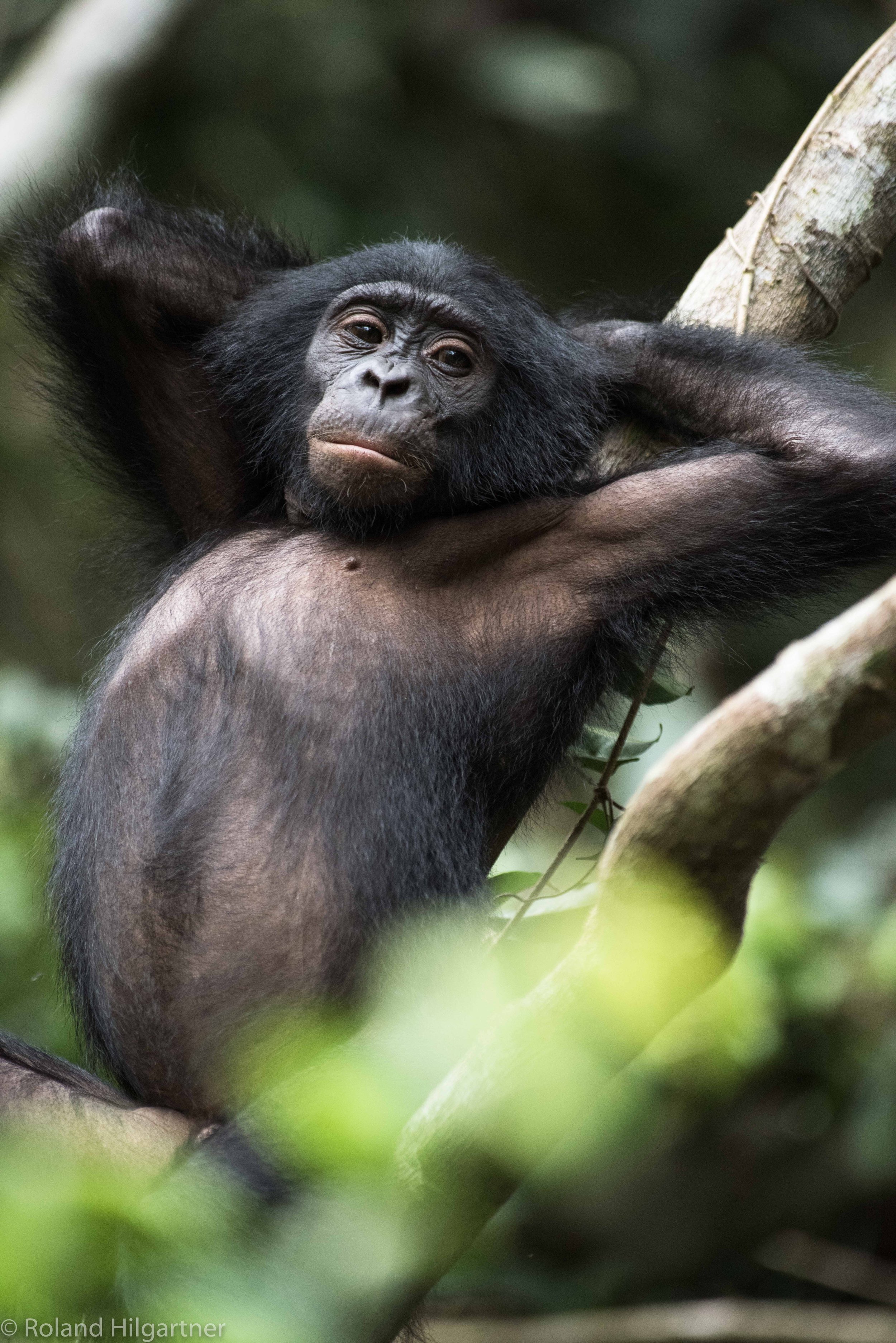
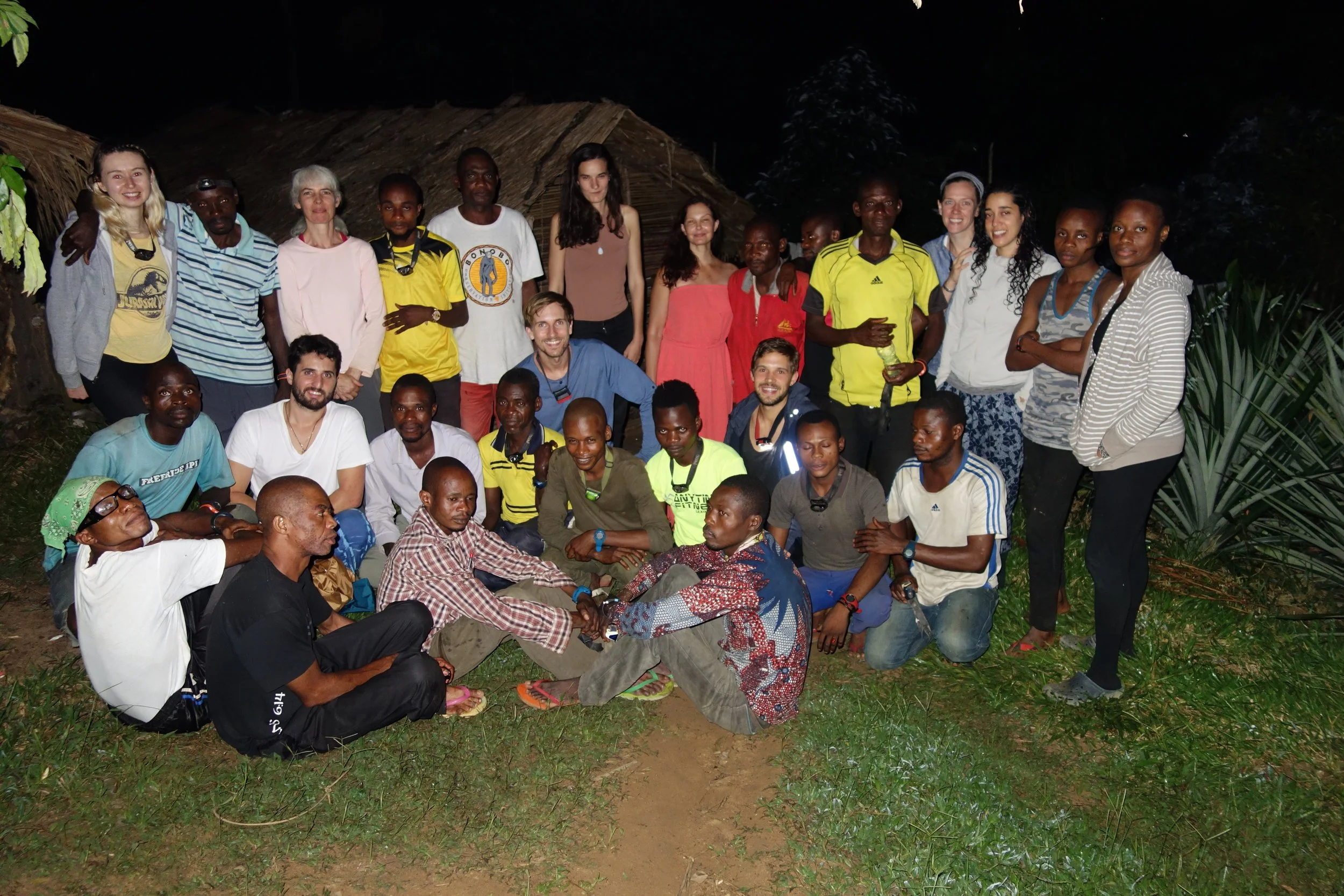
The Kokolopori Bonobo Research Project (KBRP) was established by Dr. Martin Surbeck at the beginning of 2016 with the help of the Max Planck Institute and in collaboration with the local NGO (Vie Sauvage), the Bonobo Conservation Initiative (BCI), and the Congolese Ministry of Research. Through insights from this new research site, we anticipate contributing to a better understanding of bonobos. Currently, we follow daily three habituated neighboring bonobo groups to learn what underlies intergroup tolerance and cooperation.
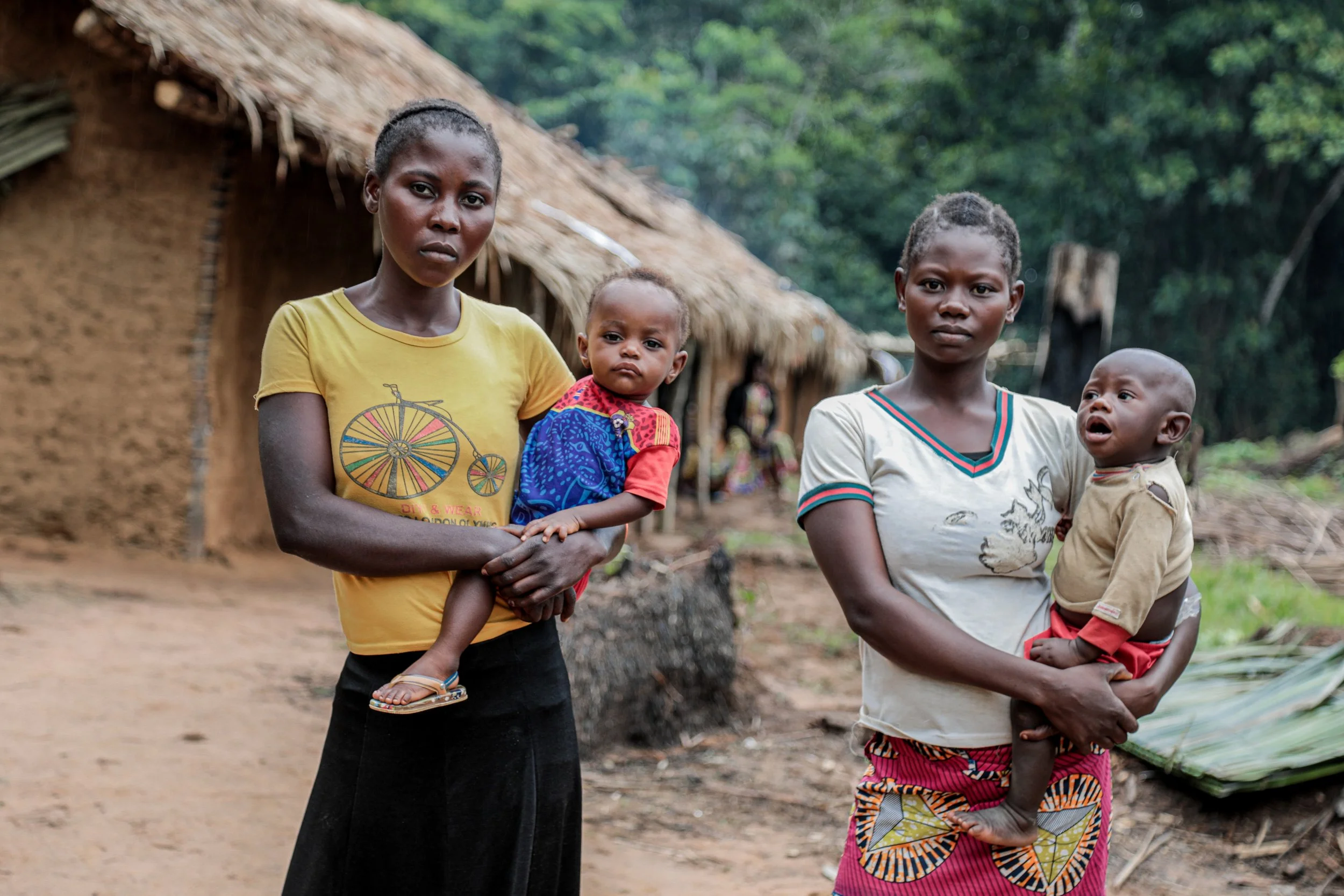
In coordination with the research project, and in cooperation with the United Nations Population Fund (UNFPA) Agency of Sexual and Reproductive Health and Women's Rights, UN Goodwill Ambassador Ashley Judd is working with mothers and children in the neighboring villages to reduce maternal and infant mortality, allow families to plan and space the births, and create new opportunities for women and men to negotiate their traditional roles.
Meet the team

-
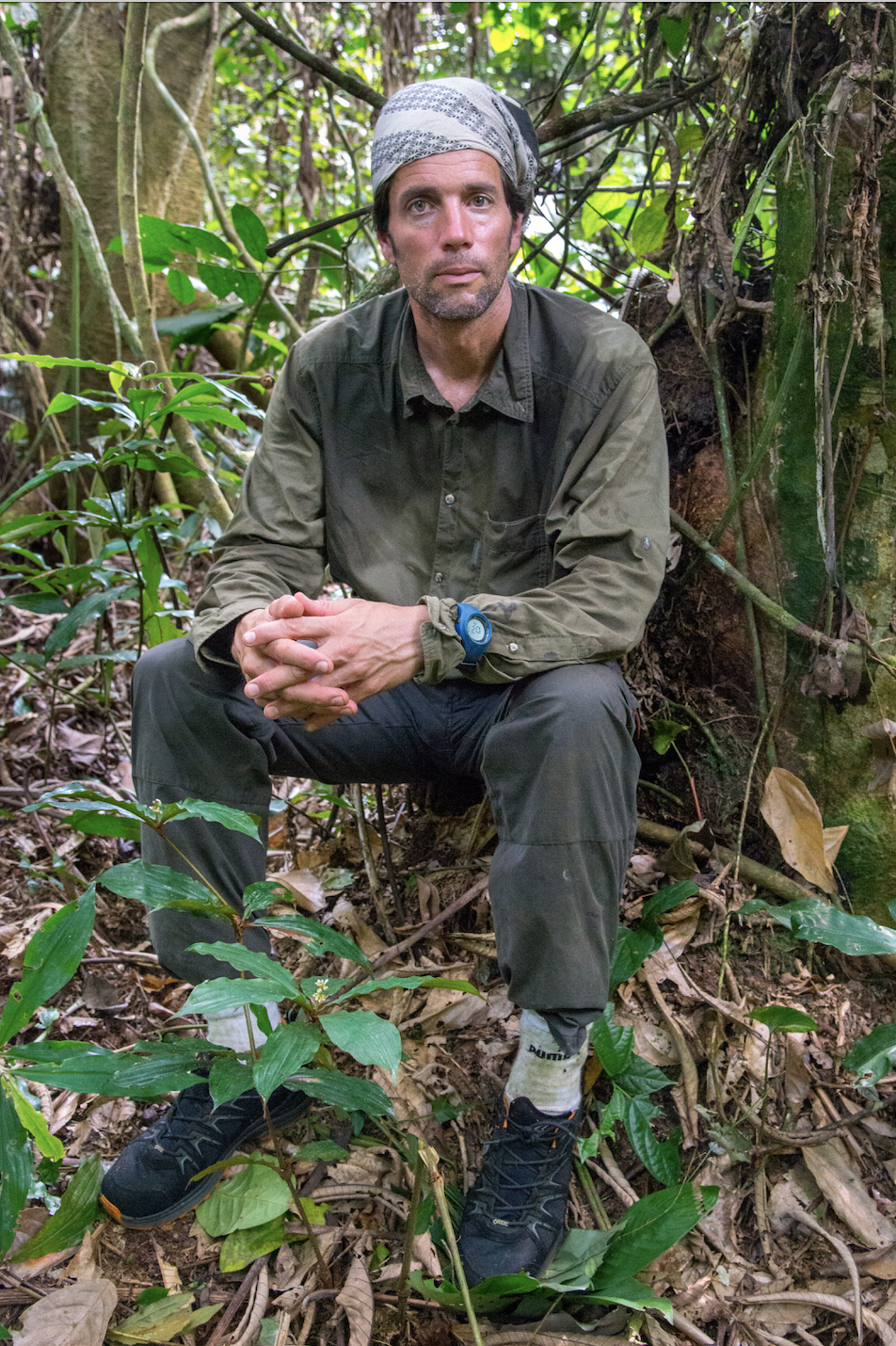
Martin Surbeck started observing wild-living bonobos in Congo in 2003 and has since spent multiple years living and working with bonobos and local people in a remote part of this country.
His research focuses mainly on questions related to aspects of competition and cooperation within and between groups and draws a lot of scientific attention.
In his scientific work, he makes use of our closest living relatives, bonobos and chimpanzees, to reconstruct our own evolution and existing predispositions. Of particular interest to him is the fascinating social system of bonobos and the question, what sets them on such a different trajectory from the better-known chimpanzees, including what enabled female bonobos to overcome the legacy of male dominance and sexual coercion and what allows different social groups to interact peacefully and cooperative.
In the beginning of 2016, he established a new bonobo research site in the Kokolopori Bonobo Community Reserve in collaboration with the local population and their representatives. Insights from this new site will not only contribute to a better understanding of the dynamics between groups and the behavioral diversity within bonobos, they also will help to better protect the remaining bonobo population as research includes conservation-relevant questions.
-
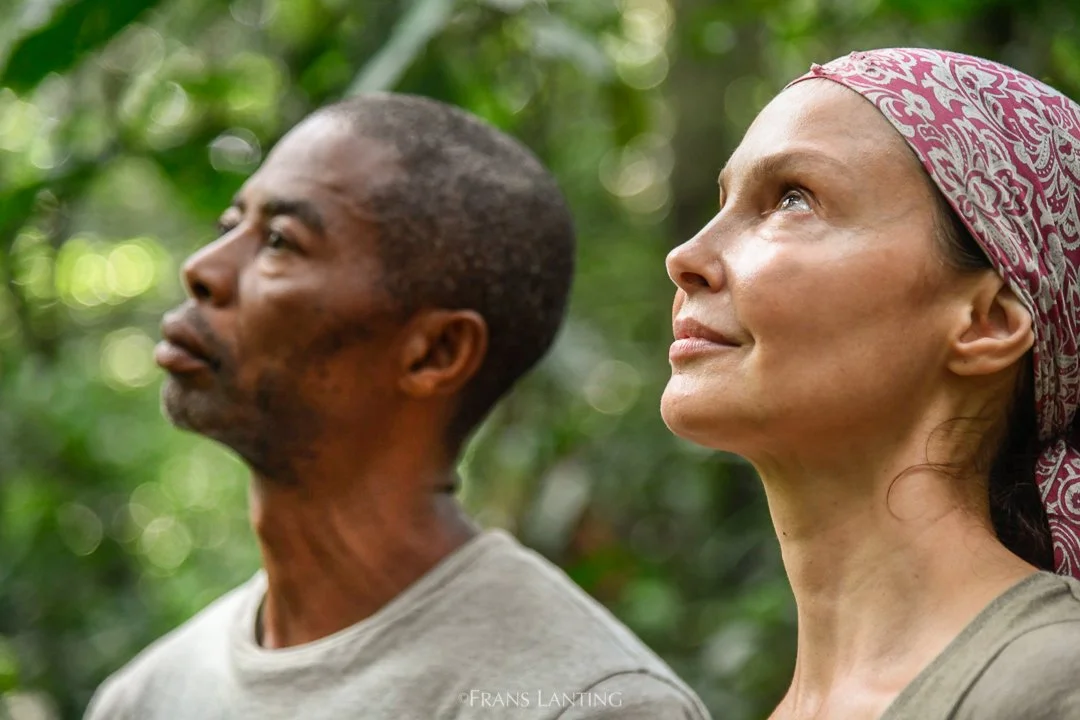
Ashley Judd is a Golden Globe and Emmy Nominated actress who deftly navigates between indie gems and box office hits.
A feminist and social justice humanitarian, she is the UNFPA Goodwill Ambassador, advocating for the sexual and reproductive rights and health for girls and women worldwide. She has traveled to 22 countries, visiting brothels, refugee camps, hospices, and slums, learning directly from the vulnerable and resilient about male sexual violence and how to overcome gender inequality.
Her New York Times bestselling book, All That Is Bitter & Sweet, chronicles these journeys.
Ashley graduated from the Honors Program at the University of Kentucky with a major in French and four minors, and earned an MPA from Harvard`s John F. Kennedy`s School of Government. Her paper, Gender Violence: Law and Social Justice, was awarded the Dean’s Scholar Award at Harvard Law School.
She has been Leader in Residence at the Women and Public Policy Program at Harvard`s Kennedy School. She serves on several boards, including the International Center for Research on Women, the Rape and Incest National Network, Demand Abolition, and is Ambassador for Culture Reframed (focusing on the public health crisis of pornography). She is Chairperson of the Women’s Media Center Speak Project: Curbing Abuse, Expanding Freedom. Her Ted Talk about online misogyny has over two million views. Ashley was Time magazine’s Person of the Year in 2017 as one of the Silence Breakers.
In 2019, the United Nations honored her as Global Advocate of the Year. Ashley is a sought after public speaker and frequent OpEd author, including her recent contribution to the New York Times about her beloved mother’s death by suicide and the need for privacy laws in such tragedies.
Ashley lives part of each year in the Central African rain forest in Democratic Republic of the Congo, where her partner has a bonobo research camp. Bonobos, our closest living relatives, are egalitarian, matriarchal, and free from male sexual violence. They give her hope.
-
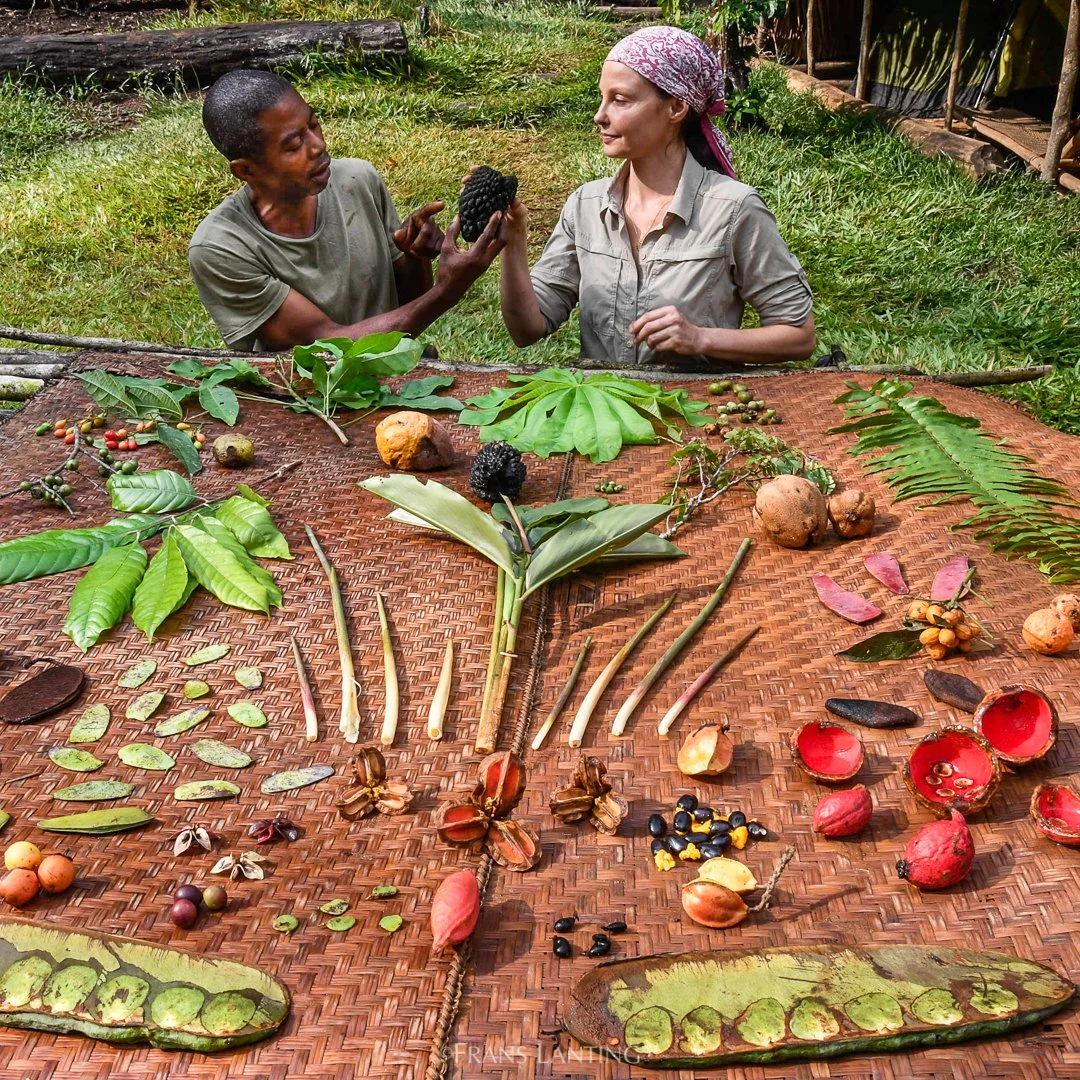
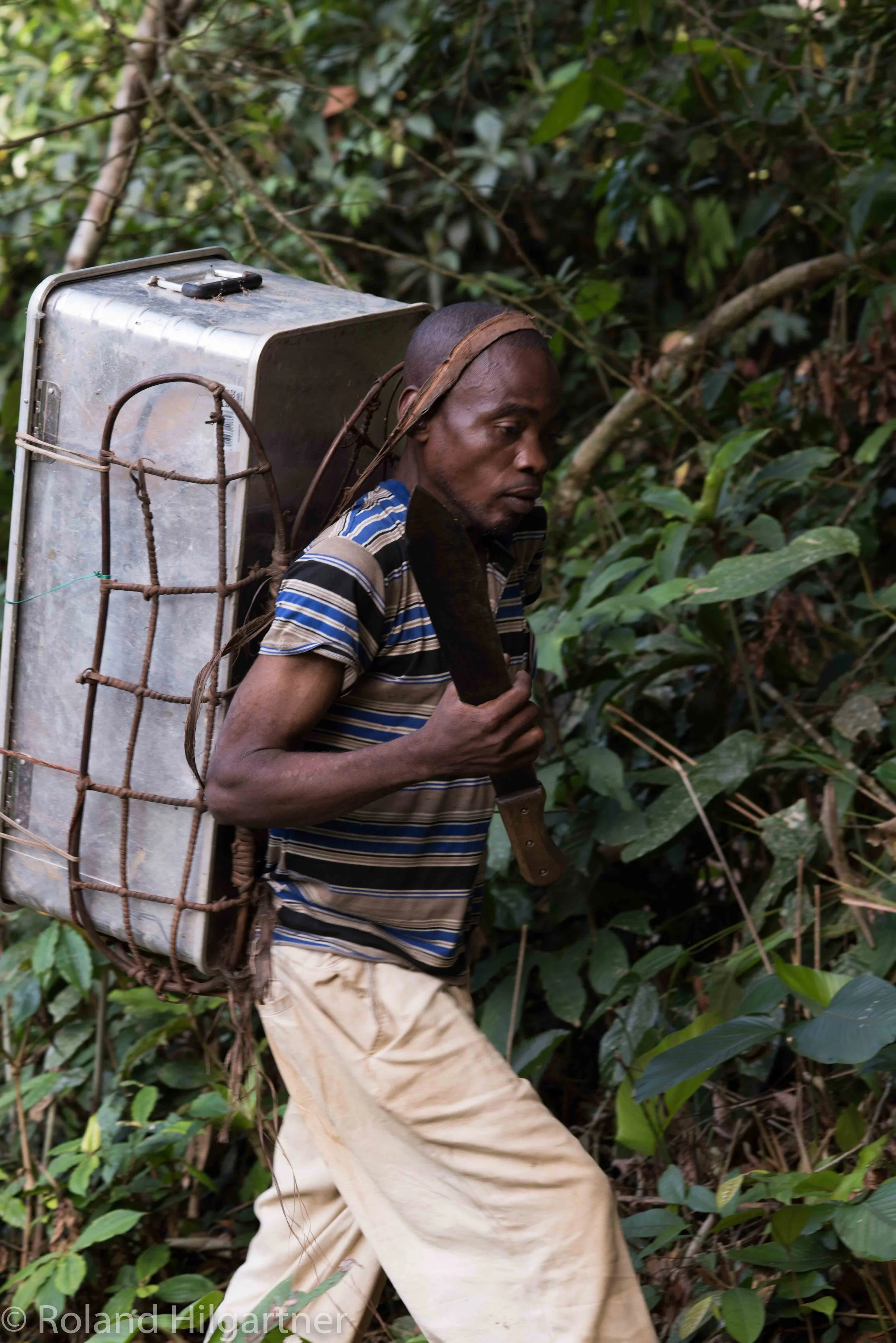
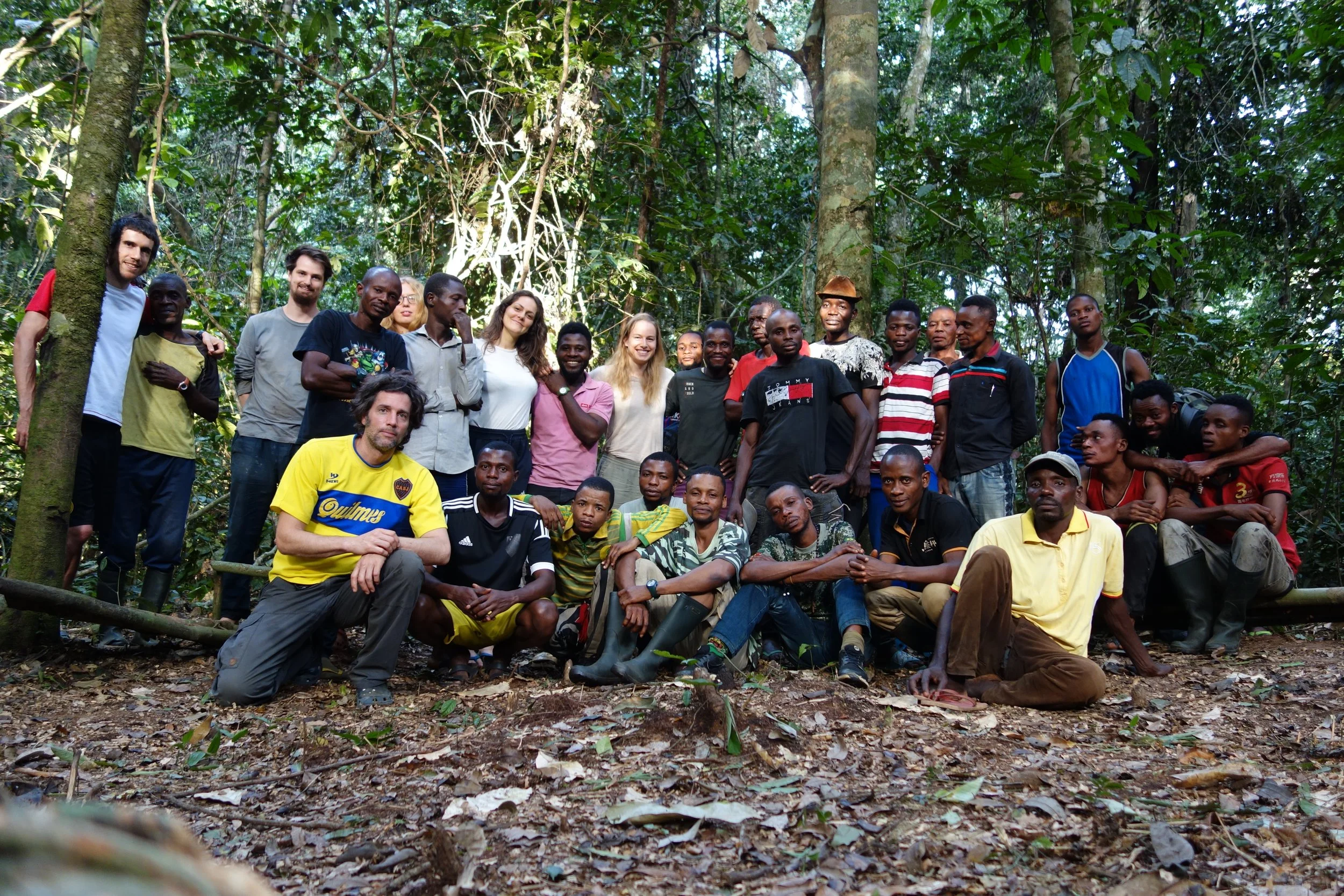
Leonard Nkanga is the head tracker at Kokolopori Bonobo Reserve. Leonard is a local Kokolopori community member with boundless knowledge of his native forest. During the Congo War, Leonard voluntarily defended the bonobos when the soldiers swept through the area. He was a founding member of the Congolese NGO Vie Sauvage with Albert Lokasola. When BCI started the Kokolopori tracker program in 2003, Leonard was an obvious choice. He was even given a special ceremony by Albert, BCI representatives, and village chiefs honoring him as “Chevalier de la Forêt,” or Knight of the Forest.
Through a RAPAC (Network of Protected Areas of Central Africa) program, he was sent to a high-level tracker training with renowned primatologist Magdalena Bermejo in Congo-Brazzaville. He now oversees all the trackers in Kokolopori, as well as working with the scientists from the Max Planck Institute for Evolutionary Anthropology who are studying the bonobos of the Yetee Forest.
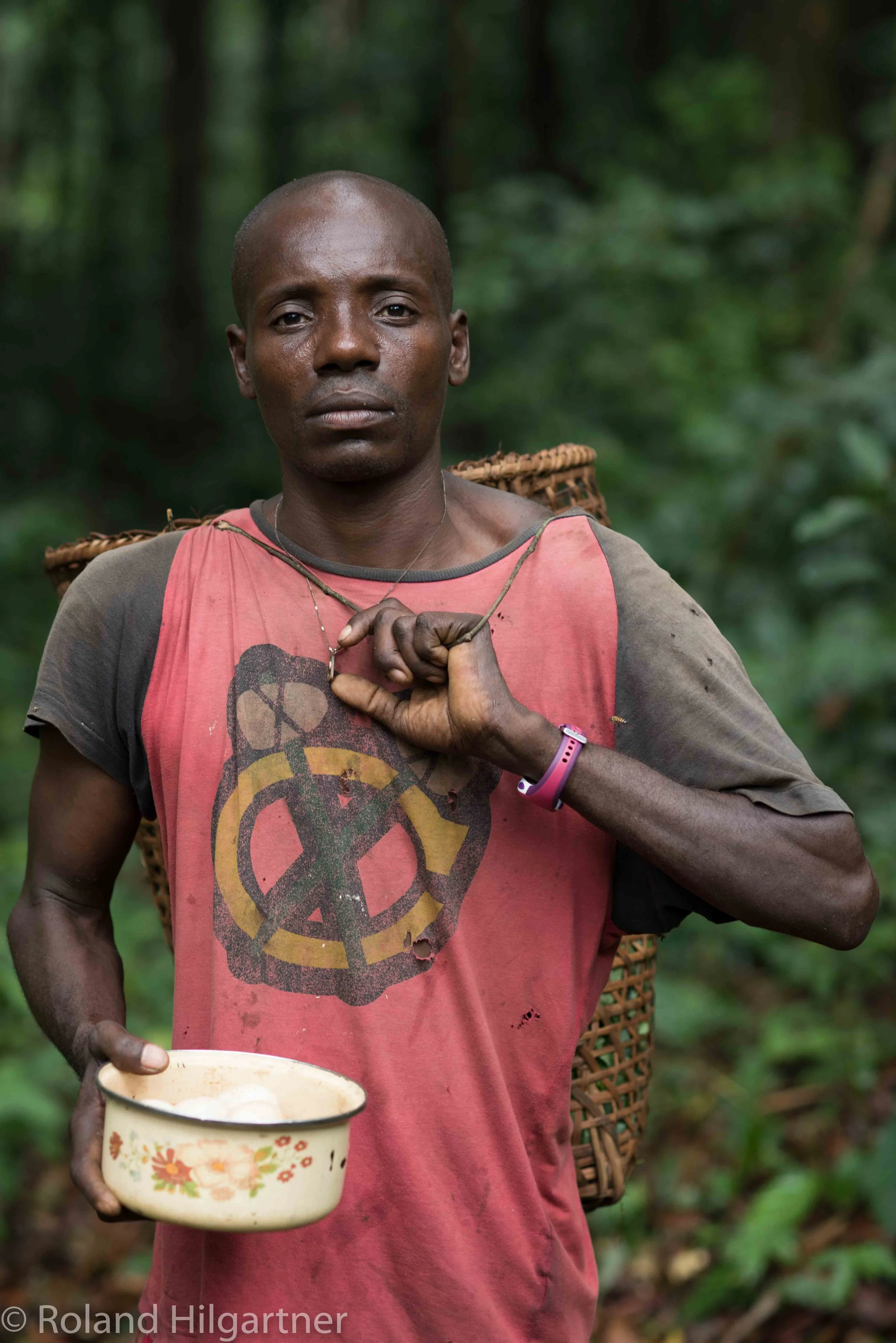
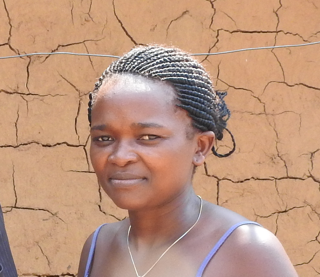

Maluata Epaso Bolimo
Maluata is organizing the food supplies and its transport to camp provisioning the people working in the research camp. The transport occurs twice per week and prioritizes members of the communities who have to pay medical and scholar fees.
Bijou Longenge
Bijou graduated at Djolu technical college and is the main logistician of the project. She oversees all activities of the Kokolopori Bonobo Research Project in the villages and manages camp working schedules for the members of the community.
Mbangi Lofosso
Mbangi started following bonobos in the surroundings of Kokolopori in 2007 without formal payment. He is an extremely talented observer and oversees the training of new trackers which normally takes up to 3 years.
Michel Bangombe
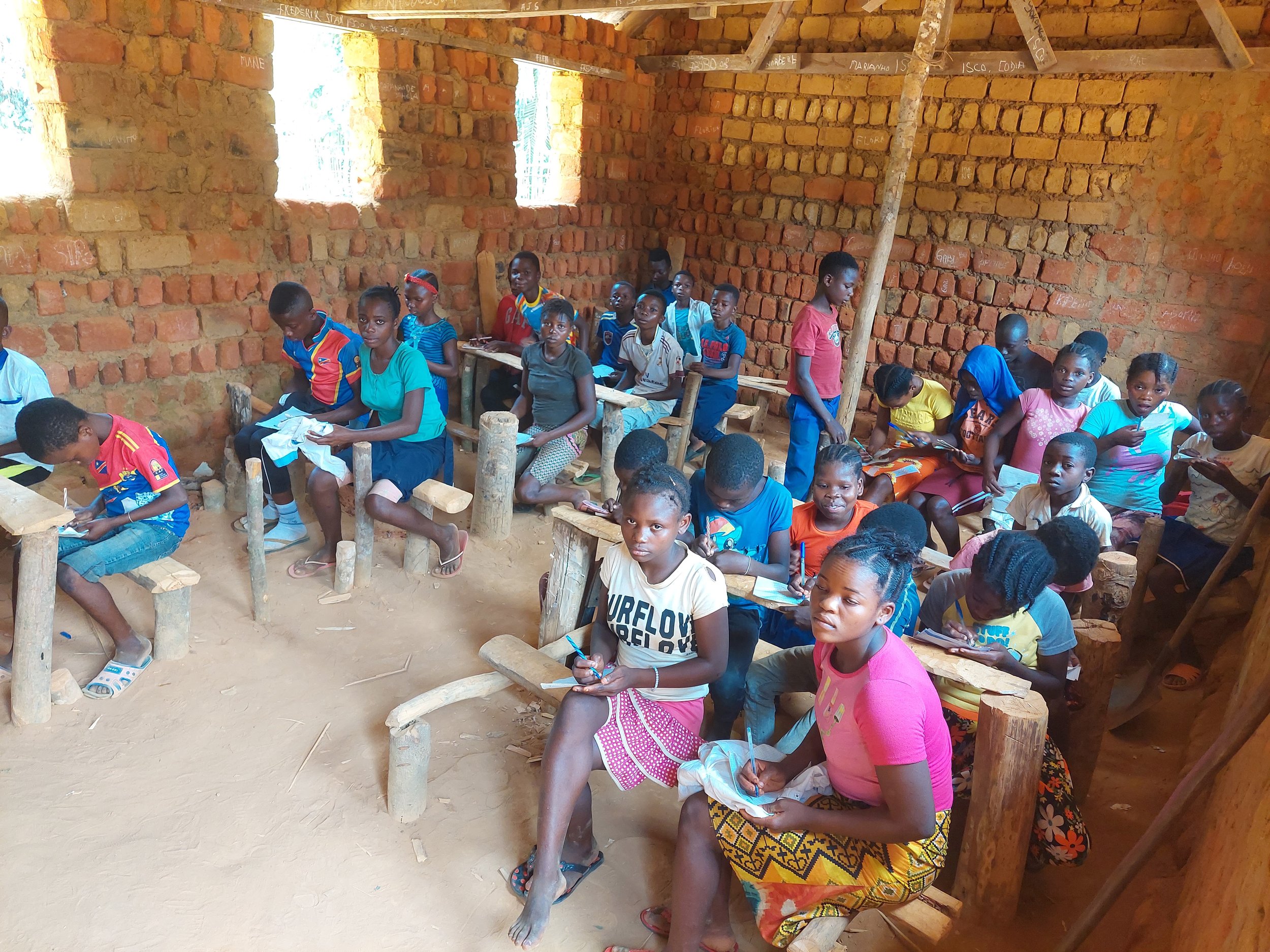
Michel graduated at Djolu technical college and completed his training as tracker in the beginning of the project. He works now as college teacher during the school semester and as a tracker during the school breaks. Given his dual role he transmits his passion for the bonobos to the next generation.
Voices of support
"Bonobos are one of the most surprising, fascinating and informative species ever described. Yet even while their populations in the wild are dwindling and the world is on edge for the latest research, their natural way of life remains in many ways mysterious. There’s a reason. The Congolese forest, their only wild home, is one of the most forbidding places on the planet. Merely to survive there as an outsider you need courage, endurance, adaptability and tolerance for physical challenges. To be accepted by the people who share the bonobos’ world you need patience, empathy, diplomacy and an ability to bring real change. And to do research you need experience, skills, imagination and endless dedication. There are fewer people with this mix than there are astronauts."
"Dr. Martin Surbeck has shown resoundingly that he is one of those people. He has all the needed qualities. He thrives in the harsh conditions, he works closely with local communities, and his science is brilliant. There are only two field sites with active longterm programs of research. Martin worked for several years at one, and founded the other. His twenty years of commitment to central Africa has produced multiple discoveries that will last for all time. He can be counted on to continue contributing these great gifts to humanity: knowledge of the least-known ape, a better understanding of our place on the planet, and a serious chance of keeping bonobos alive to share the future with us."
—Dr. Richard W. Wrangham, Department of Human Evolutionary Biology, Harvard University
Where we’re located
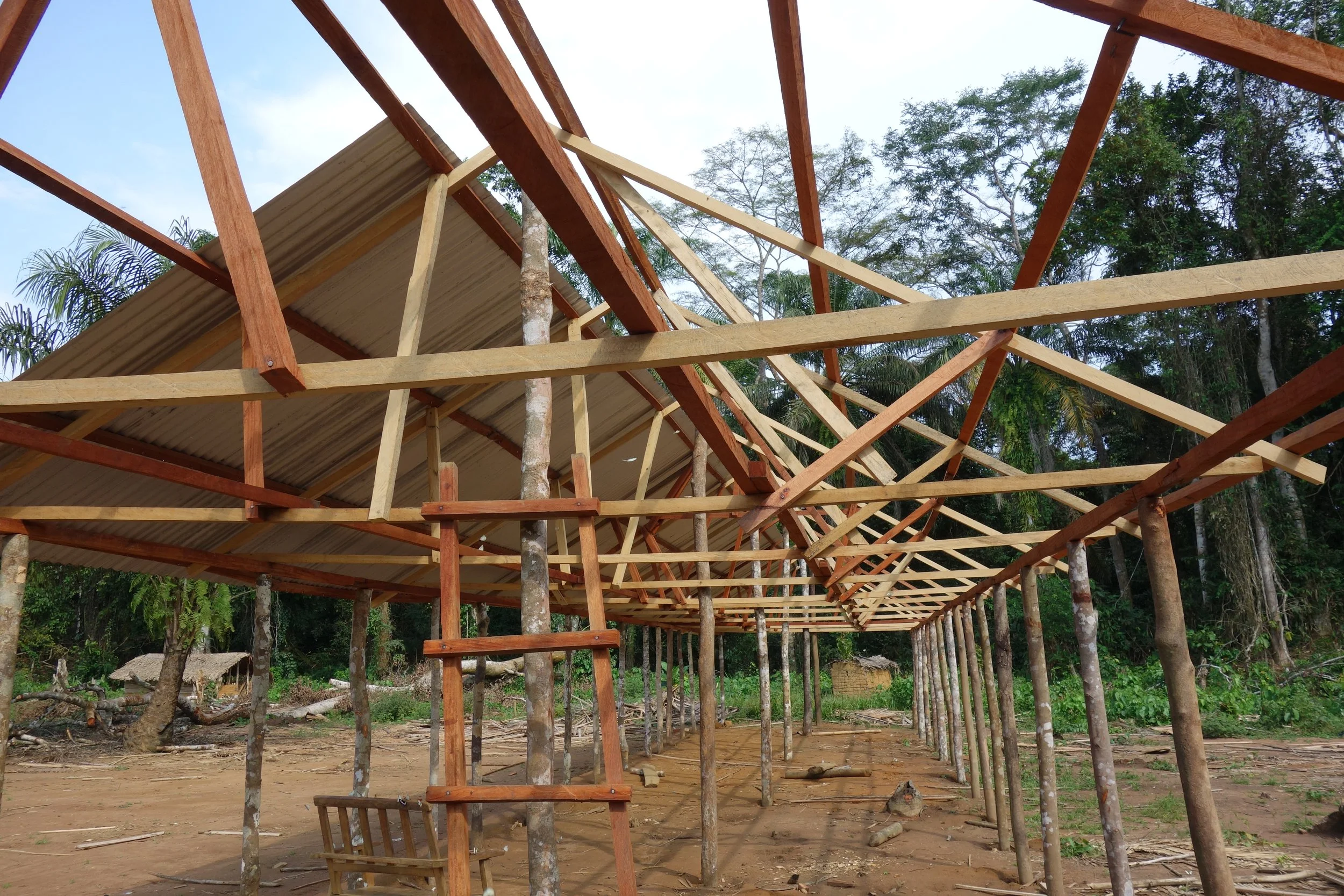
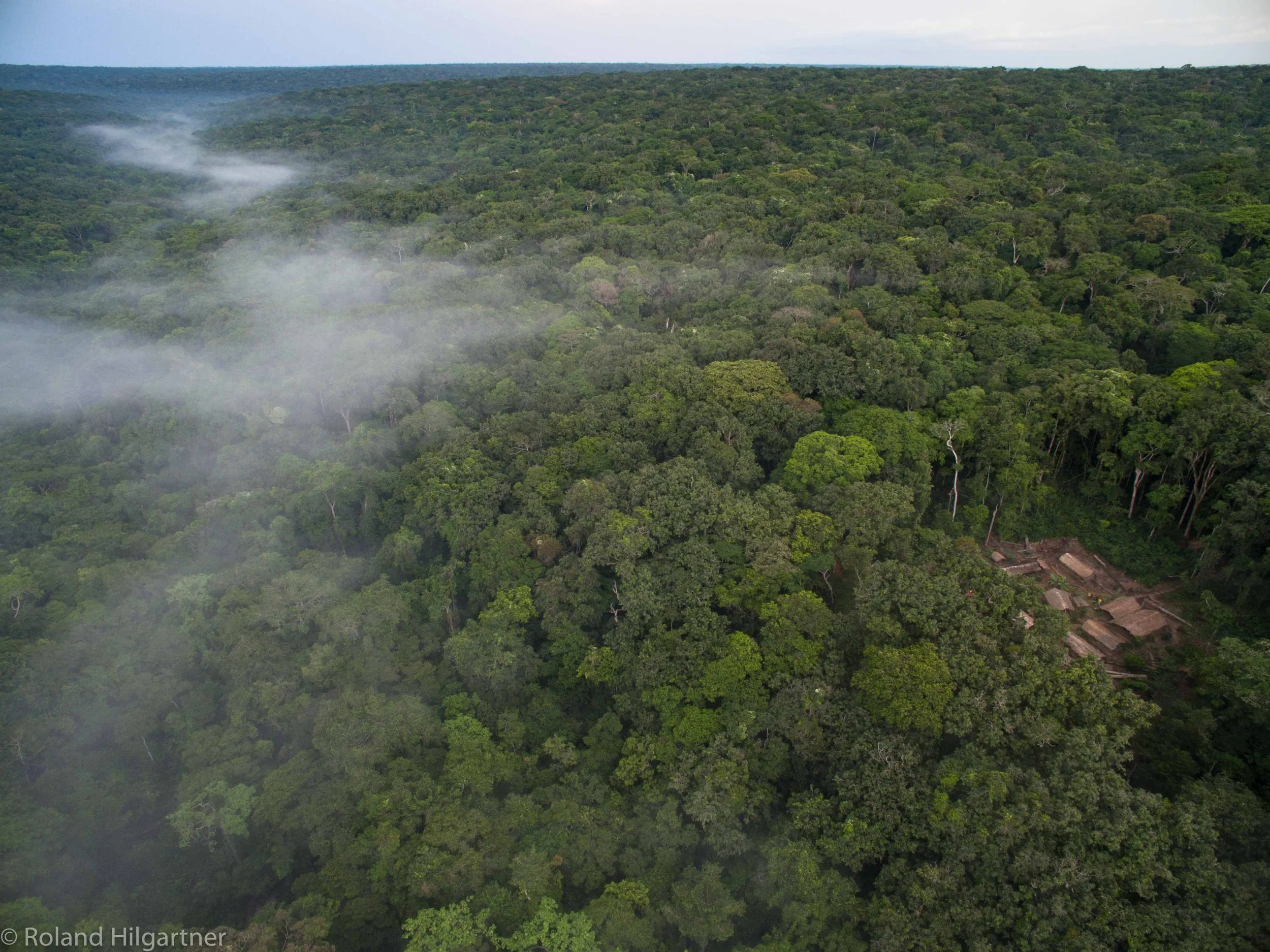
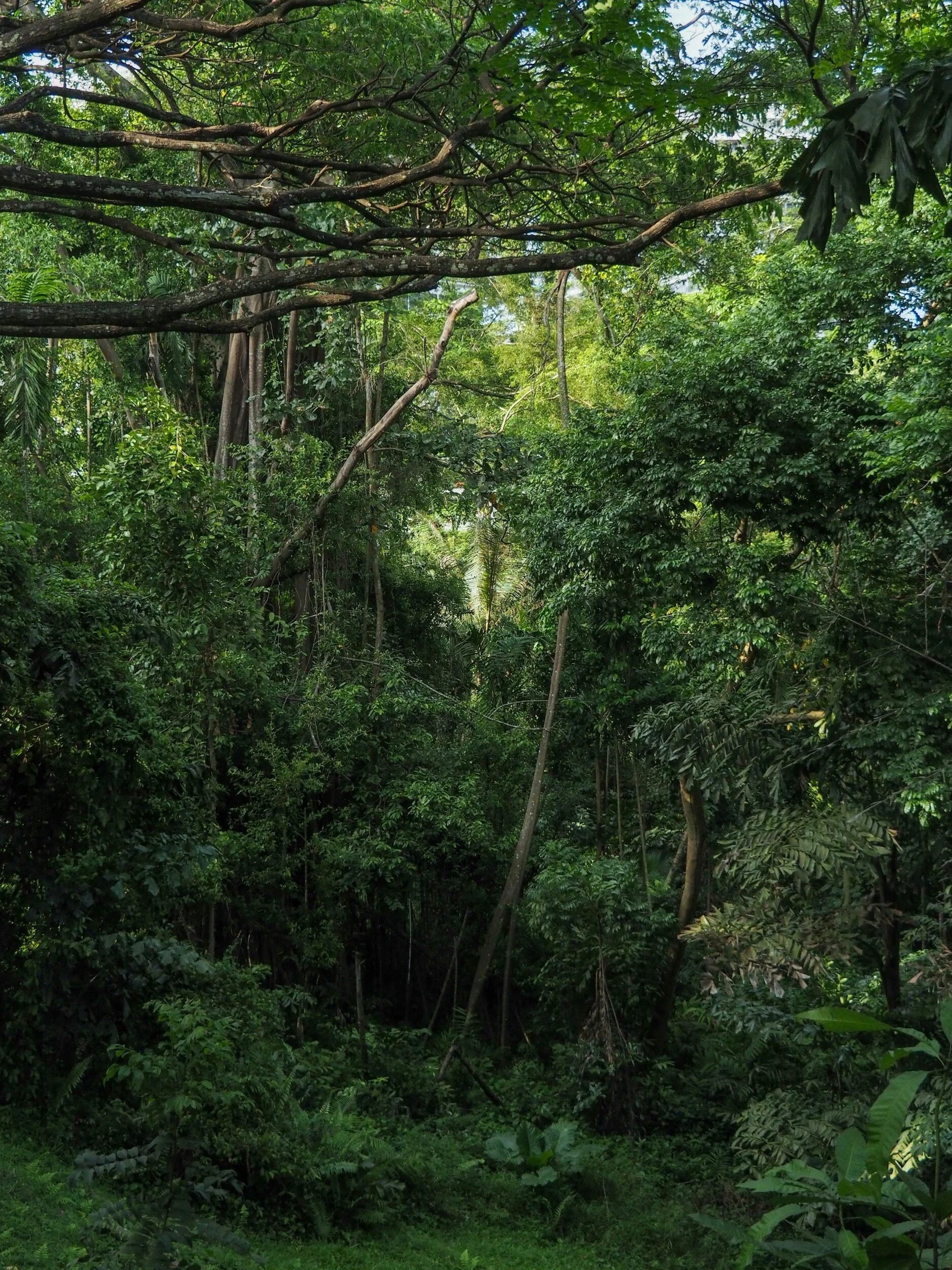
Deep in the heart of the Central African Rainforest in the Democratic Republic of the Congo, our research camp is situated approximately 4 km from the nearest village in the Kokolopori Bonobo Reserve, a community-based nature reserve.